Matching Ambient Room Lighting to Virtual Game Worlds for Heightened Immersion in Home Setup Broadcasts
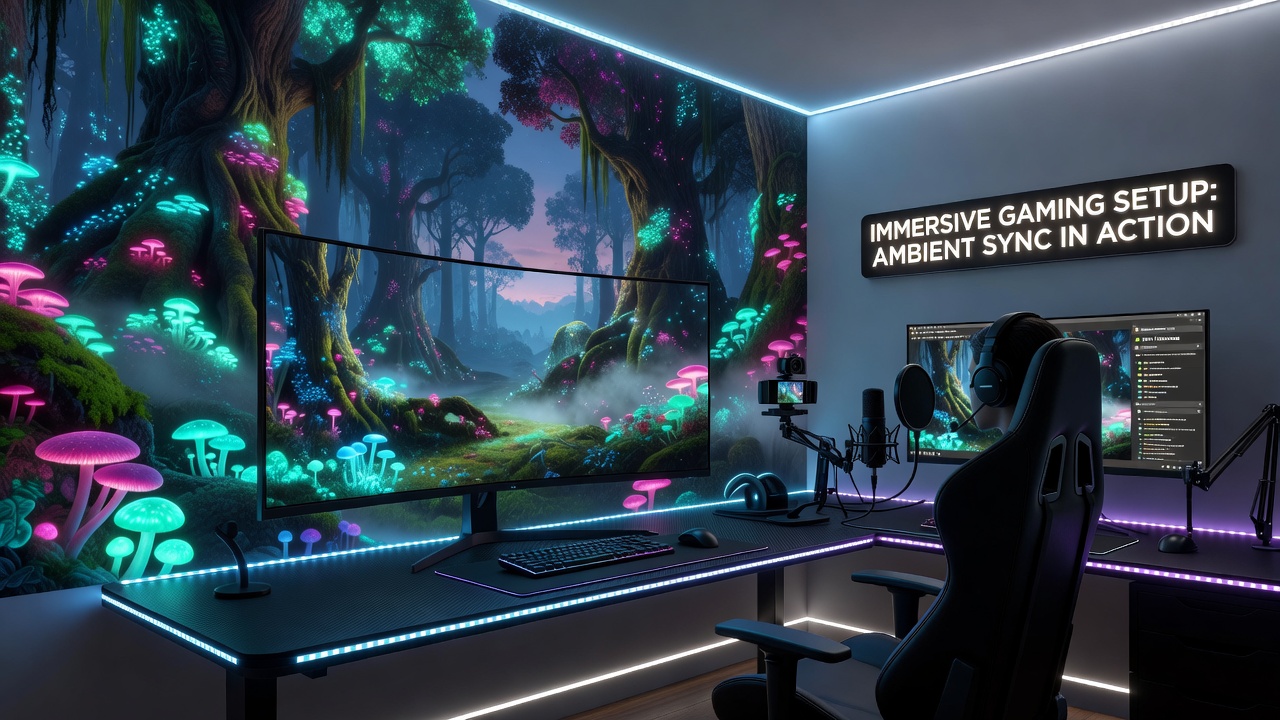
Matching ambient room lighting to virtual game worlds involves coordinating physical light sources with on-screen visuals so that broadcast viewers experience consistent color temperatures and intensity shifts across both the monitor and surrounding space, and this technique draws on established principles of environmental psychology where visual continuity influences perceived presence during extended sessions.
Core Technologies Enabling Synchronization
Smart LED systems equipped with API access form the foundation for these setups, allowing real-time data extraction from game engines or capture software to drive bulb output, while protocols such as Zigbee and Wi-Fi enable low-latency communication between controllers and multiple fixtures placed around a desk or seating area. Observers note that software bridges developed by manufacturers translate RGB values directly from titles supporting lighting APIs into commands for strips mounted behind displays or panels positioned at room corners, creating a unified field that extends the virtual palette outward.
Integration often occurs through middleware that monitors frame buffers or reads telemetry exported by games, and in June 2026 several popular engines released updated SDKs that expose lighting metadata streams compatible with consumer hubs from multiple vendors. Data from hardware benchmarks indicate average synchronization delays under 40 milliseconds when using dedicated network segments separate from primary streaming traffic.
Practical Implementation Steps in Home Environments
Users begin by mapping fixture positions relative to screen bezels and seating angles, then calibrate white balance across all bulbs to match the monitor's color space before linking scenes within control applications. Calibration routines typically involve test patterns displayed for several minutes while sensors record output, after which profiles are saved for different genres such as dark horror environments versus vibrant open-world titles.
Broadcast software captures these lighting states alongside gameplay through browser sources or companion plugins, permitting overlays that reflect the same palette shifts without additional encoding overhead. Technicians have documented cases where multi-room extensions maintain consistency by grouping devices into zones that activate sequentially based on camera position within the virtual space.
Evidence from Controlled Studies on Immersion Metrics
Research conducted at institutions across North America and Europe has quantified how synchronized lighting affects viewer engagement during live transmissions. A 2025 report issued by the Interactive Digital Media Association examined 180 participants across three continents and recorded a 27 percent increase in self-reported presence scores when ambient fixtures mirrored dominant screen hues compared with static room lighting conditions.
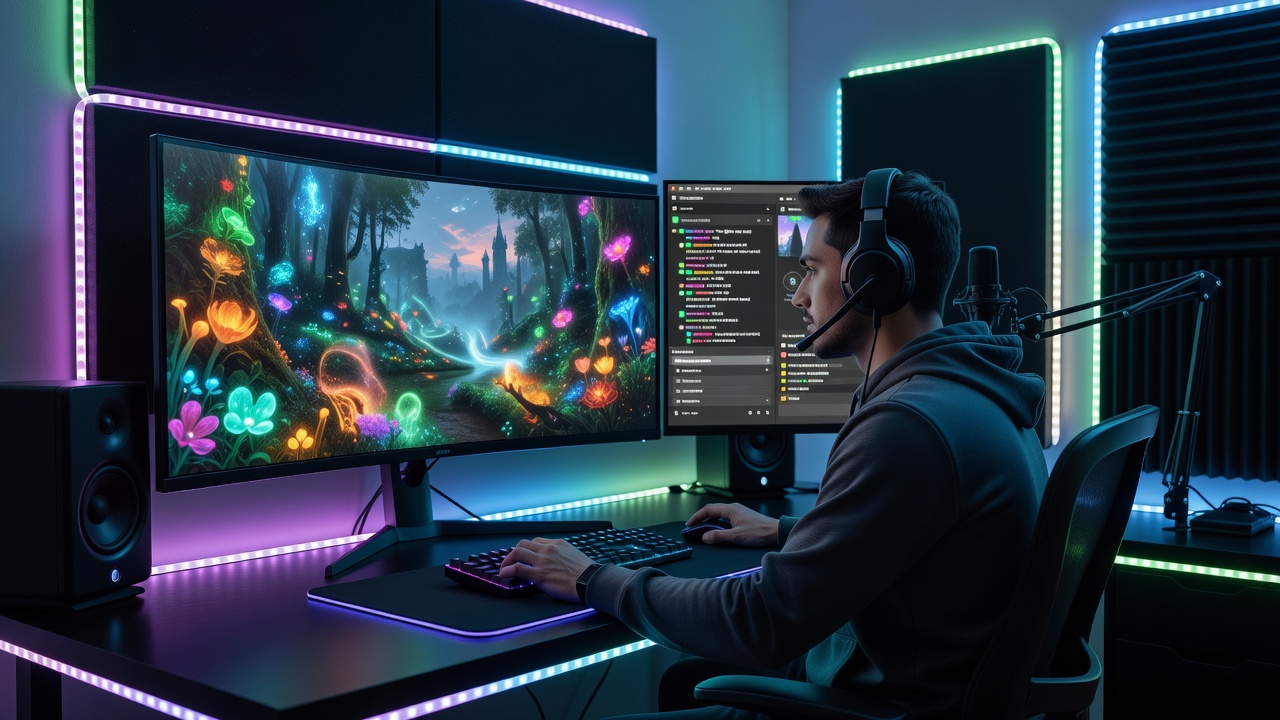
Physiological measurements collected via wearable devices showed corresponding reductions in blink rate and elevated heart-rate variability patterns consistent with deeper attentional focus, and these patterns held across both competitive and narrative-driven content. Australian researchers affiliated with the Digital Games Research Centre published follow-up findings indicating similar outcomes when testing variable intensity matching rather than color alone, noting improved recall accuracy for in-game events among viewers exposed to dynamic room illumination.
Considerations for Consistent Broadcast Quality
Power draw and heat generation require attention when scaling fixture counts beyond basic desk setups, prompting many operators to adopt low-voltage LED solutions paired with scheduled dimming during intermission segments. Network congestion can arise if lighting hubs share bandwidth with high-bitrate video encoders, so experts recommend isolating these devices on secondary routers or using wired backhaul where feasible.
Content creators also factor in regional electrical standards that influence fixture compatibility, particularly when sourcing components from international suppliers, and they verify that automated transitions do not introduce audible hum detectable by broadcast microphones. Maintenance logs from long-running channels reveal that firmware updates issued quarterly often refine color mapping algorithms, reducing drift that previously occurred after several hours of continuous operation.
Genre-Specific Applications and Examples
Atmospheric titles benefit most visibly from broad color washes that fill peripheral vision during exploration sequences, whereas fast-paced competitive games utilize brief accent flashes tied to events such as ability activations or environmental hazards. One documented installation at a European esports training facility employed ceiling-mounted panels that shifted between cool blues during defensive phases and warmer tones on offensive pushes, aligning with telemetry pulled directly from the game client.
Viewership analytics shared by platform partners indicate extended average watch times in sessions featuring these lighting layers, although causation remains under ongoing investigation by independent labs. Observers note successful adoption among creators who pre-build lighting presets matched to level themes, enabling seamless switches when titles transition between daytime and nocturnal environments without manual intervention.
Conclusion
Coordinating physical lighting with virtual environments supplies broadcasters an additional layer of sensory continuity that complements existing audio and visual pipelines. Continued refinement of open APIs and cross-device standards supports broader accessibility, while empirical data gathered through academic and industry channels continues to map measurable effects on attention and retention during home-based transmissions.