Integrating Smart Home Devices to Automate Scene Transitions and Boost Professionalism in Home-Based Broadcasts
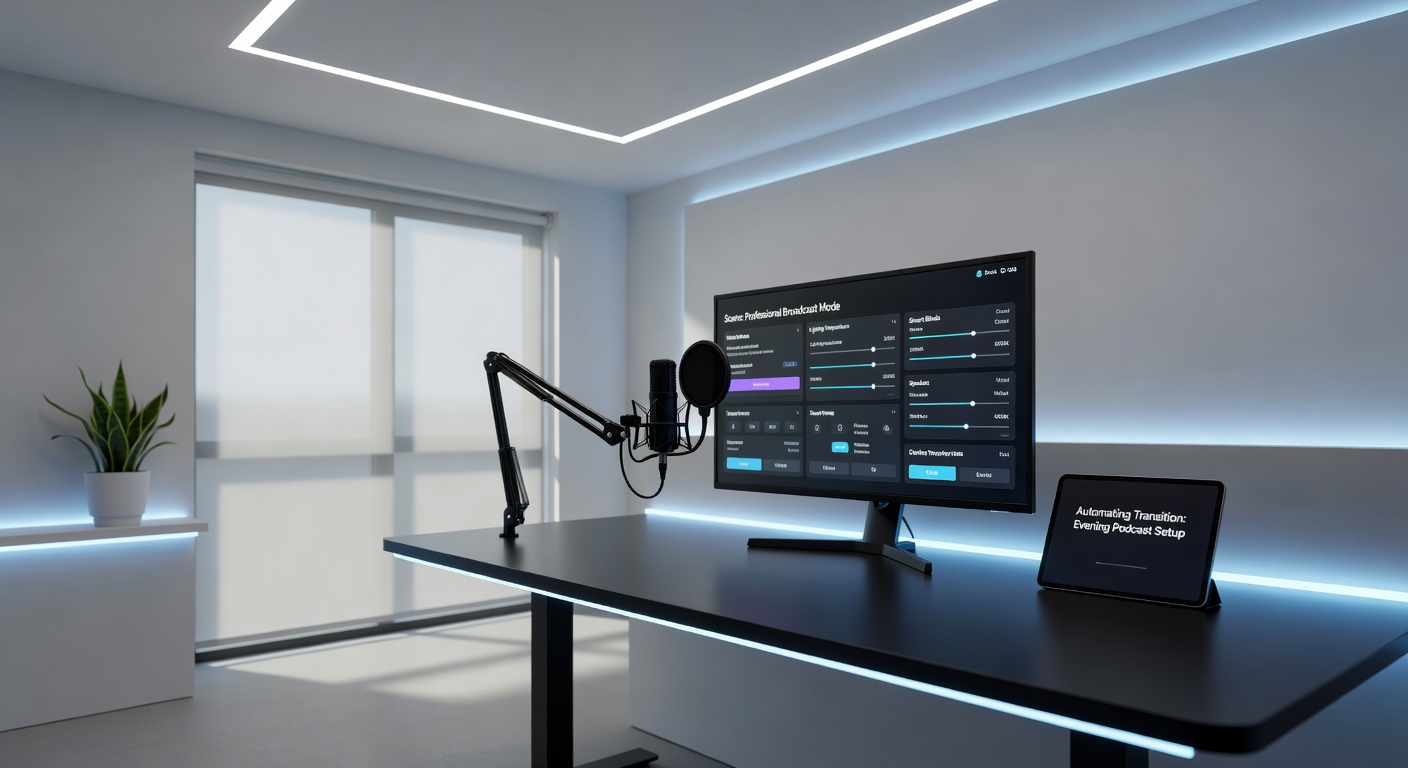
Smart home devices have entered broadcast environments through connections that link lighting systems, motorized blinds, and voice assistants directly to streaming software platforms, allowing creators to program scene changes without manual intervention during live sessions. These integrations rely on protocols such as Zigbee, Z-Wave, and Wi-Fi standards that communicate with applications like OBS Studio or Streamlabs, where triggers activate predefined lighting adjustments, camera movements, and audio cues at the exact moment a new segment begins. Data from industry tracking shows adoption rates climbing steadily through early 2026 as compatibility improves across consumer hardware lines.
Core Components of Device Integration
Lighting fixtures form the foundation for most setups, with color-changing bulbs responding to commands sent through hubs that synchronize with broadcast schedules or chat commands, while smart plugs control power cycles for secondary monitors and capture cards to eliminate delays between transitions. Observers note that motorized window treatments adjust natural light levels automatically based on time-of-day sensors, maintaining consistent exposure values across multiple camera angles without requiring physical repositioning. Voice assistants process spoken or app-based instructions that launch entire sequences, connecting household networks to streaming encoders through developer APIs released in updates throughout 2025.
Those who have examined the hardware combinations report that compatibility layers now support direct MIDI and OSC signals, which route from smart home controllers into OBS plugins for frame-accurate timing. Research indicates these connections reduce transition latency to under 200 milliseconds in controlled tests conducted by university engineering departments in North America and Europe. As of May 2026, expanded support for Thread protocol devices has further stabilized these links in multi-room configurations common to dedicated streaming spaces.
Automating Transitions Through Routines and Triggers
Routines programmed inside smart home ecosystems execute at scheduled intervals or upon external triggers such as stream start notifications pulled from platform APIs, shifting room ambiance from neutral interview lighting to high-contrast gaming setups within seconds. This automation extends to camera presets where pan-tilt heads receive positioning data synchronized with lighting shifts, creating seamless visual handoffs between wide shots and close-ups. Figures from consumer electronics surveys reveal that users implementing these routines report fewer interruptions during extended broadcasts, particularly when handling multiple segments in a single session.
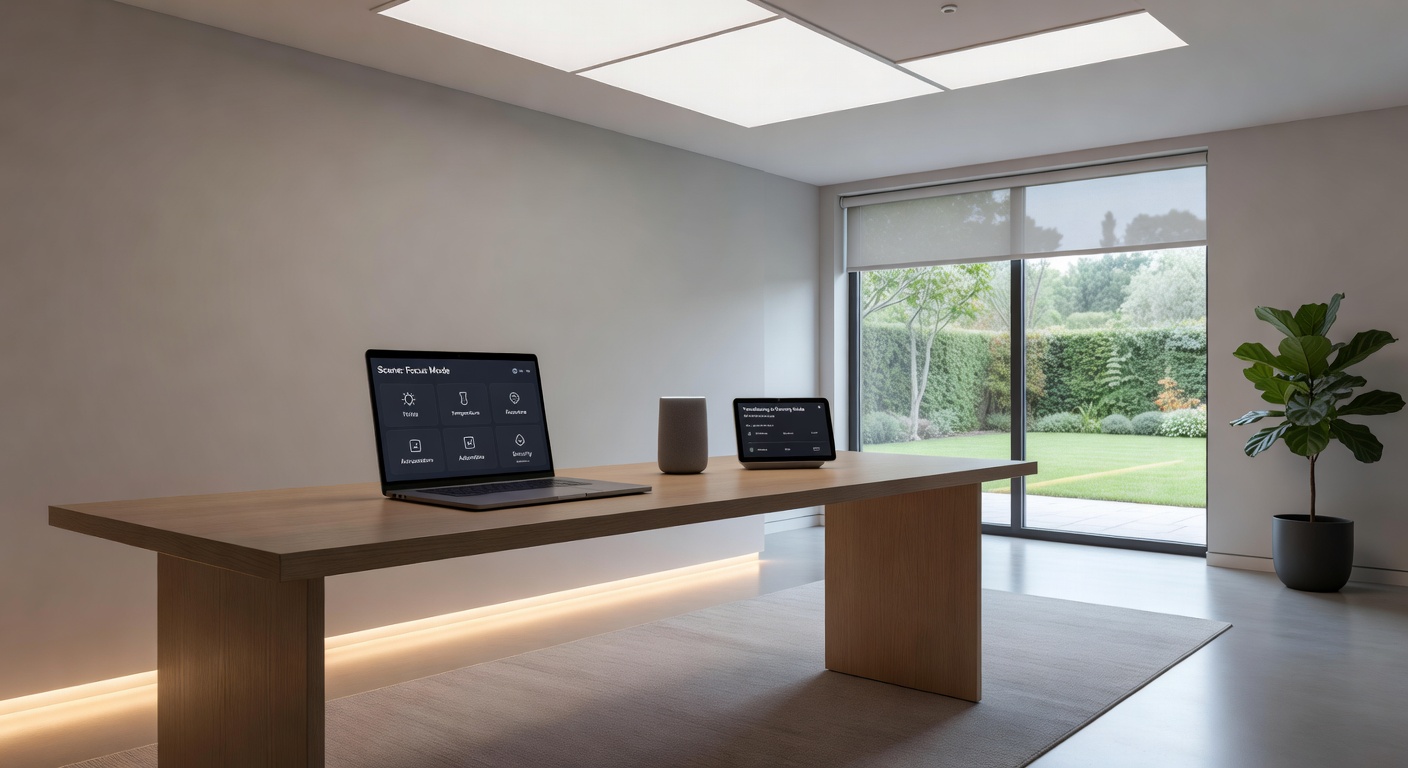
Scripted sequences can incorporate environmental sensors that detect ambient noise or temperature fluctuations and compensate by adjusting fan speeds or closing blinds to preserve audio clarity. Experts have observed successful implementations where IFTTT-style applets bridge gaps between proprietary ecosystems, allowing a single motion sensor to initiate both a lighting fade and a software scene switch simultaneously. The process relies on conditional logic that evaluates multiple inputs before committing to changes, preventing accidental activations during setup phases.
Impact on Broadcast Quality and Consistency
Professional appearance improves when lighting remains uniform across takes because smart bulbs maintain calibrated color temperatures that match camera white balance settings stored in presets. According to standards documentation from the National Institute of Standards and Technology, consistent illumination reduces post-production correction needs by measurable margins in controlled environments. Home-based creators gain access to these controls through mobile dashboards that monitor device status in real time, enabling remote adjustments when equipment configurations shift between different broadcast types.
Case studies shared by broadcast technology groups highlight instances where integrated systems maintained output quality during power fluctuations by routing backup commands through uninterruptible power supplies tied to smart outlets. Data compiled by research institutions in Australia shows that such redundancy contributes to higher uptime percentages for independent streamers who operate without dedicated technical staff. Transitions become predictable events rather than manual tasks, freeing attention for content delivery and audience interaction.
Implementation Considerations and Compatibility Factors
Network stability plays a central role because delays in command delivery can desynchronize visual elements with audio tracks, prompting users to isolate streaming devices on dedicated router bands or mesh nodes. Compatibility checks against firmware versions ensure that new device additions do not disrupt existing routines, a step emphasized in setup guides published by major hardware manufacturers. Observers note gradual rollout of Matter standard support across regions, which simplifies cross-brand communication and reduces reliance on proprietary bridges in mixed environments.
Security protocols require attention during configuration because exposed smart home networks can introduce vulnerabilities when linked to public streaming accounts, leading many to segment their automation traffic behind firewall rules. Training periods allow creators to test sequences offline before deploying them live, with logging features that record execution times for later refinement. These practices align with guidelines issued by electronics trade associations focused on residential technology adoption patterns observed through 2026.
Conclusion
Integration of smart home devices continues to expand options for automating scene transitions in home broadcasts by connecting everyday household technology to professional streaming workflows. The resulting consistency in lighting, timing, and environmental control supports polished presentations that meet viewer expectations for uninterrupted content delivery. Ongoing protocol developments and compatibility improvements position these systems as practical tools for creators seeking reliable performance without expanding physical infrastructure.