Exploring Wardrobe Choices and Their Correlation with On-Screen Presence During Interactive Gameplay Segments
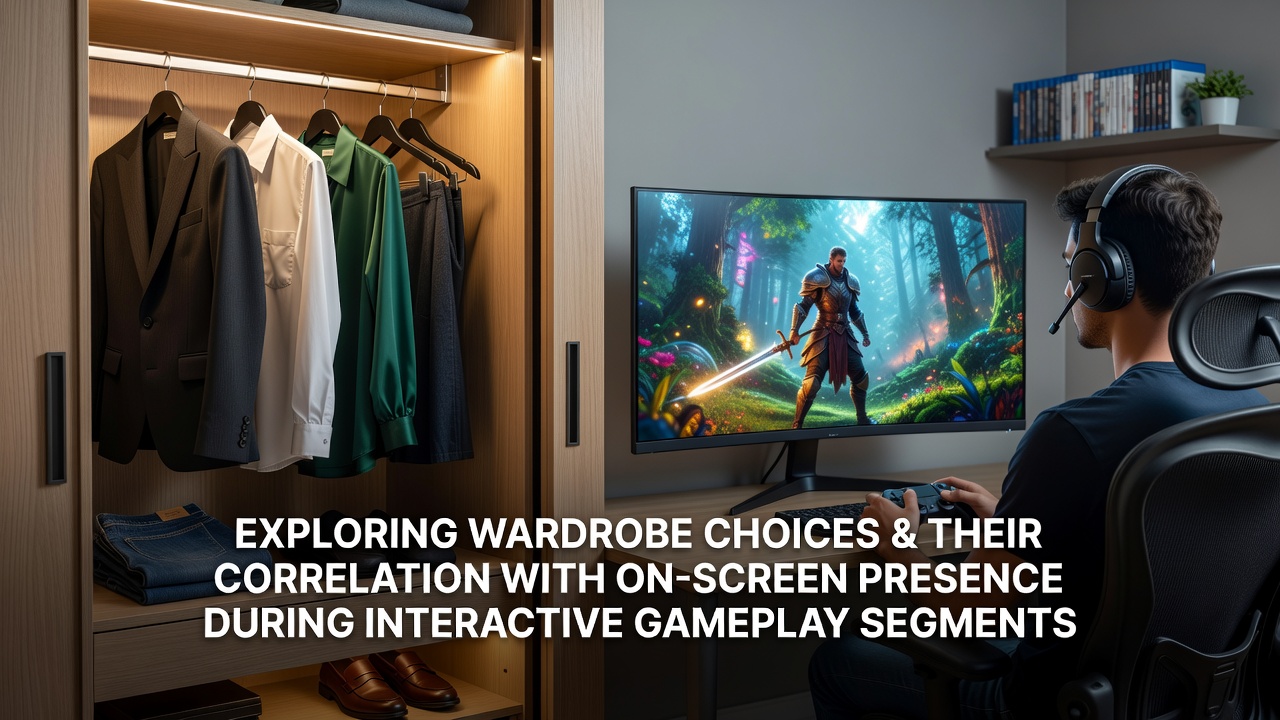 Wardrobe selections made by participants in live interactive gameplay sessions connect directly to measurable aspects of on-screen visibility, and researchers have tracked these patterns through controlled broadcast tests conducted across multiple platforms. Data from visual media studies show that solid-colored garments in mid-tone ranges tend to maintain consistent contrast levels when layered over bright game interfaces, whereas high-saturation hues can create competing focal points that shift viewer attention away from gameplay elements during chat-driven segments. Observers note that these effects become more pronounced in sessions exceeding ninety minutes, where cumulative lighting changes from both screen output and room sources interact with fabric textures. Studies conducted by the University of Melbourne's Digital Media Research Lab examined how clothing reflectance values influence edge detection algorithms used in modern capture software, and results indicated that matte finishes reduce halo artifacts around moving limbs compared with glossy synthetics. Those findings align with observations from European gaming events held in early 2025, where production teams adjusted talent attire mid-tournament to stabilize picture quality across multiple camera angles.
Color Theory Applications in Live Capture Environments
Color wheels and broadcast-safe palettes receive attention from technical directors who prepare interactive segments, and evidence shows that complementary tones placed against dominant game color schemes improve subject separation without requiring additional post-processing. Data collected during regional esports qualifiers in Canada during 2025 revealed that participants wearing desaturated blues and greens maintained higher average viewer dwell times on face and torso regions when compared with those in primary reds. Analysts attribute the difference to reduced chromatic noise when these garments pass through compression pipelines common in live encoding.
Lighting temperature shifts that occur as game scenes transition from daylight to interior environments further modify how wardrobe colors register on screen, and production logs from multiple studios document routine checks that pair talent clothing samples against current title palettes before each broadcast block.
Pattern Density and Motion Artifact Reduction
Fine repeating patterns introduce moiré interference when recorded at standard frame rates used in interactive streams, and camera operators have reported that participants who select larger-scale prints experience fewer instances of visual distortion during rapid on-screen movements. A 2024 report issued by the Japanese Society for Image and Information Media quantified this relationship by testing striped and checkered garments under controlled 1080p and 4K capture conditions, finding that pattern scale above four centimeters yielded measurable drops in edge aliasing.
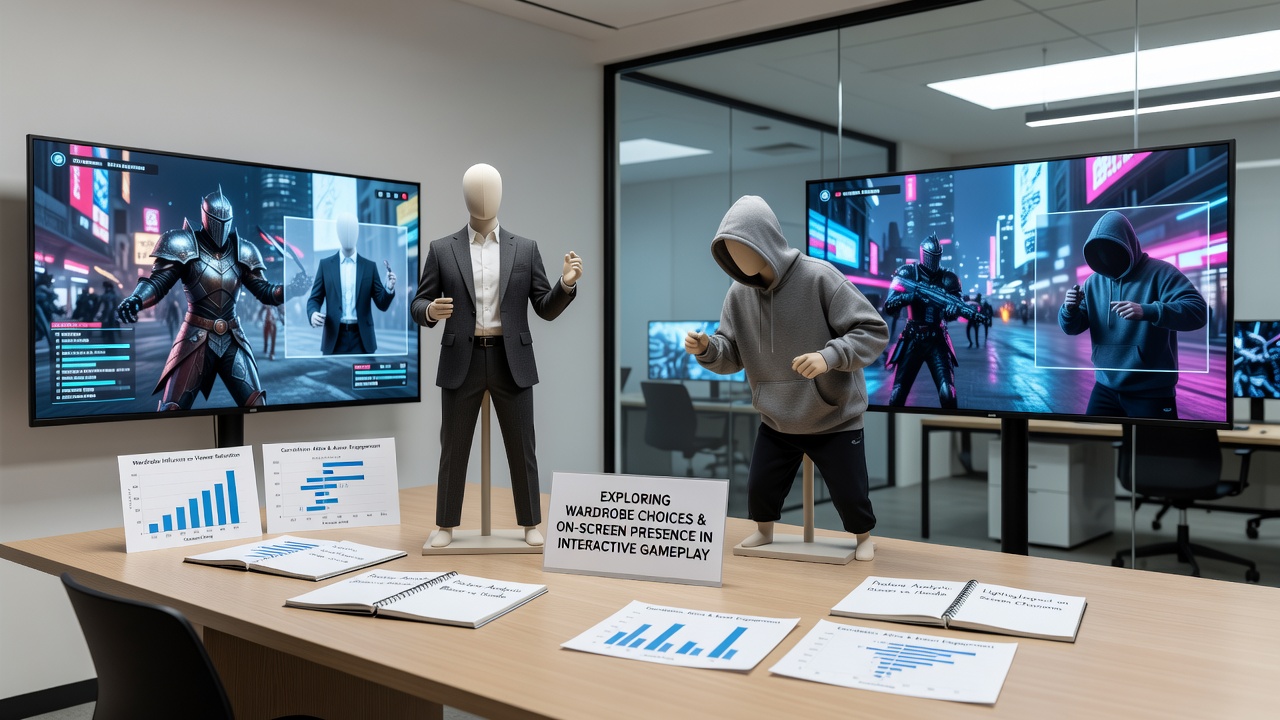
Those same tests demonstrated that knit textures with moderate stretch properties allow natural range of motion while preserving consistent surface appearance across different body positions, an outcome that matters during extended interactive segments where hosts gesture frequently toward overlays or chat prompts.
Material Performance During Prolonged Sessions
Breathable natural fibers such as cotton blends show lower rates of visible perspiration marks under sustained key lighting, and wardrobe supervisors at major tournaments track these variables through pre-event fitting sessions. Research presented at the 2026 Asia-Pacific Broadcasting Conference in June documented how moisture-wicking synthetics maintained stable color values even after three-hour continuous broadcasts, whereas untreated fabrics displayed progressive darkening that required compensatory lighting adjustments.
Fit considerations also appear in technical guidelines distributed by industry groups, with loose silhouettes sometimes producing unwanted fabric movement that registers as additional motion on screen during high-interaction moments. Production teams therefore coordinate with participants to select garments that balance comfort against predictable drape behavior under camera scrutiny.
Branding Elements and Viewer Focus Metrics
Subtle logo placement on upper torso regions correlates with increased recognition rates in post-broadcast surveys conducted by academic groups, and data from North American university media labs indicate that logos sized between eight and twelve centimeters achieve optimal visibility without dominating the frame. Larger placements can pull attention away from gameplay footage when viewers switch focus rapidly between chat interactions and on-screen action.
Reflective elements such as metallic prints or sequins create specular highlights that change intensity as participants shift position, and engineers have measured these spikes as contributors to momentary clipping in highlight regions of encoded video streams. Guidelines issued by regional broadcast associations therefore recommend matte finishes for any branding elements intended to remain visible throughout variable lighting conditions.
Conclusion
Technical examinations of wardrobe variables continue to supply production teams with quantifiable parameters that support consistent on-screen presentation across interactive gameplay formats. Data accumulated through laboratory tests and live event monitoring demonstrate clear relationships between fabric properties, color values, and viewer attention patterns, relationships that evolve alongside changes in capture technology and encoding standards. Observers tracking these developments note that ongoing collaboration between researchers and broadcast practitioners yields practical adjustments that integrate directly into preparation routines for extended live segments.