Coordinating Multi-Device Synchronization Protocols to Minimize Latency in Collaborative Gaming Broadcasts
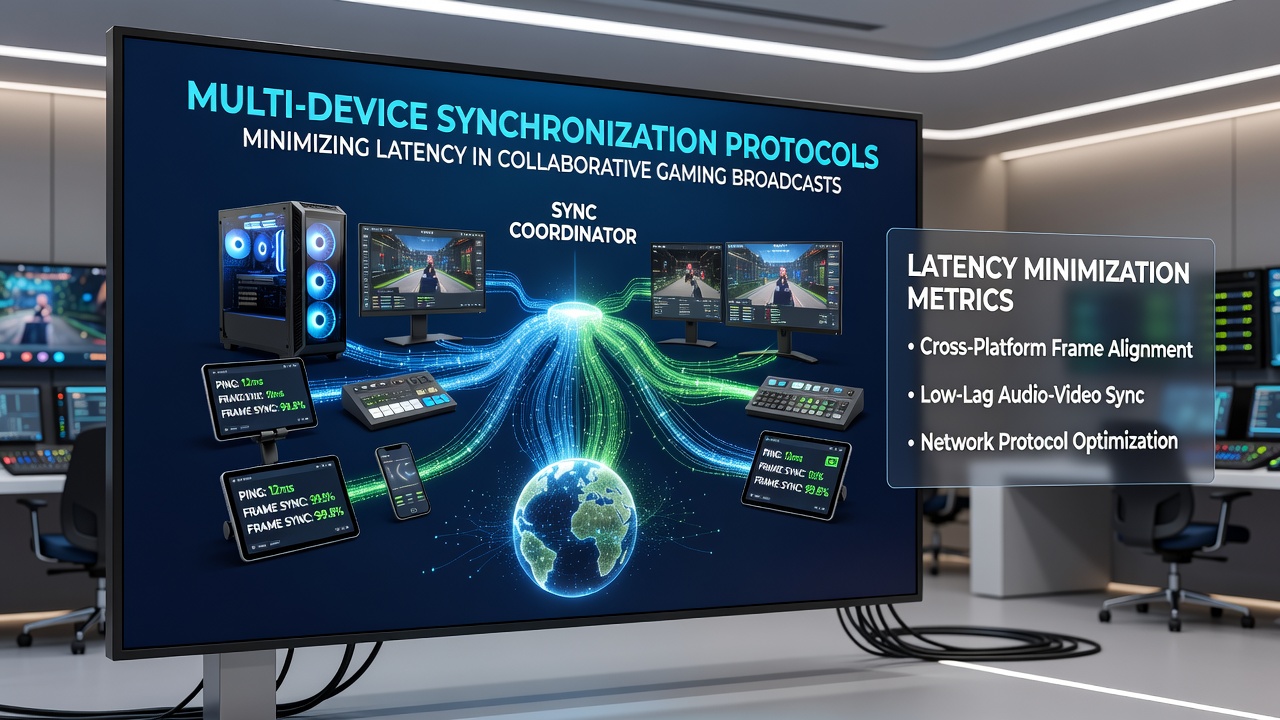
Collaborative gaming broadcasts rely on multiple devices operating in tandem to deliver real-time multiplayer sessions to audiences, and synchronization protocols ensure that video feeds, audio streams, and player inputs align across locations without introducing noticeable delays. Data from industry reports indicate that latency above 50 milliseconds disrupts viewer immersion during team-based competitions, which is why protocols such as Precision Time Protocol (PTP) and Real-time Transport Control Protocol extensions receive widespread adoption in broadcast environments.
Network timing mechanisms form the foundation for these setups, with PTP defined under IEEE 1588 standards providing sub-microsecond accuracy over Ethernet connections that connect capture cards, encoders, and mixing consoles. Observers note that gaming teams deploying PTP hardware clocks achieve consistent frame alignment even when devices span separate physical sites, whereas basic Network Time Protocol falls short for high-motion titles requiring frame-accurate delivery.
Core Protocol Architectures in Multi-Device Environments
Engineers implement hybrid synchronization stacks that combine PTP for hardware-level timing with application-layer adjustments through WebRTC data channels or custom RTP extensions tailored for game engines. Research indicates that these layered approaches reduce cumulative drift in sessions involving four or more synchronized cameras and microphones, because each device references a shared grandmaster clock while compensating for variable network jitter through buffer management algorithms.
Case studies from broadcast facilities reveal that integration of GPS-disciplined oscillators further stabilizes long-duration events, particularly when participants connect via fiber links that introduce asymmetric delays. Those who maintain such systems report that periodic recalibration using timestamp exchanges prevents gradual desync that would otherwise accumulate over hours of continuous transmission.
Latency Reduction Techniques Across Distributed Setups
Packet prioritization and traffic shaping play direct roles in minimizing end-to-end delay, as protocols route time-sensitive game state data ahead of background telemetry packets on shared network segments. Figures from network performance analyses show that implementing differentiated services code points within PTP-aware switches cuts average synchronization variance by measurable margins during peak load periods.
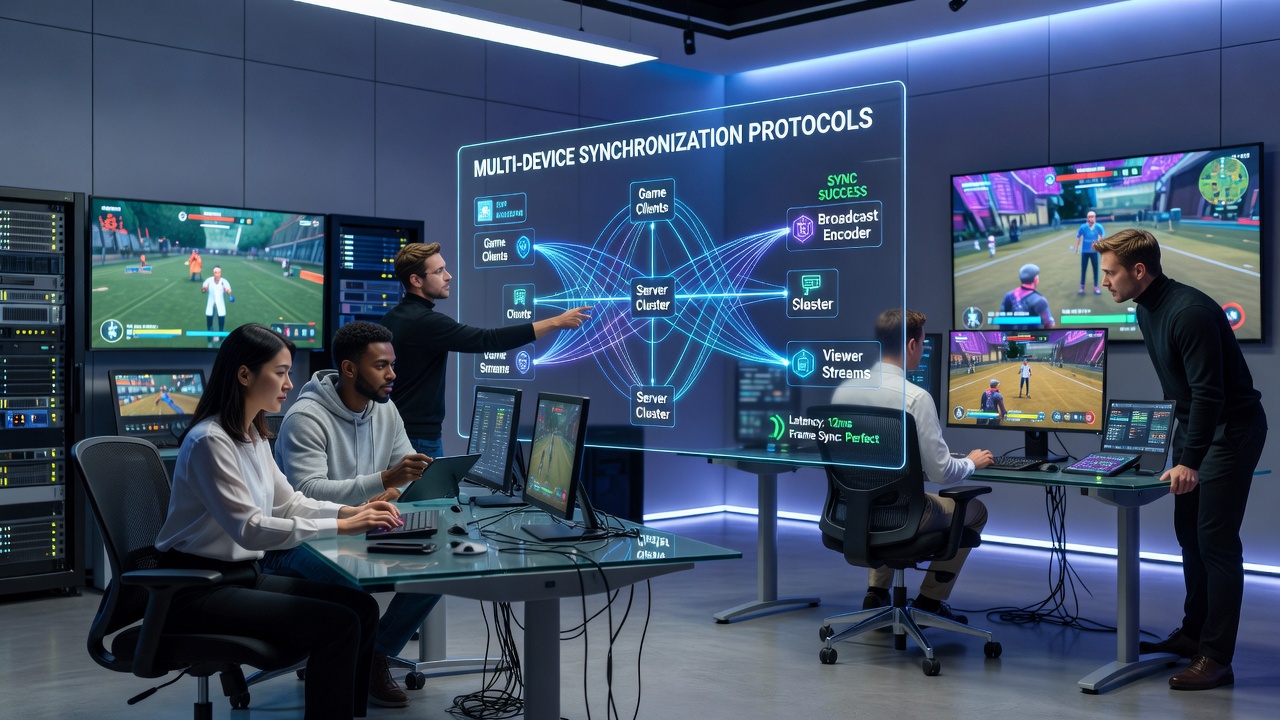
Software tools that monitor round-trip times and dynamically adjust playout buffers complement hardware measures, allowing encoders to drop or duplicate frames only when protocol-detected offsets exceed predefined thresholds. Academic papers published through European research consortia demonstrate that machine-learning models trained on historical latency patterns can predict and preempt synchronization issues before they affect live output, especially in environments where bandwidth fluctuates due to concurrent viewer connections.
Implementation Considerations for Gaming Broadcast Teams
Hardware compatibility testing precedes full deployment because not all capture interfaces expose PTP support natively, requiring additional interface cards or software bridges that translate between protocols. Data collected during multi-site trials in North American esports venues confirm that unified configuration files distributed through centralized management platforms reduce setup errors across heterogeneous device fleets.
Security layers integrated into modern synchronization frameworks prevent external interference with timing signals, since spoofed PTP messages could introduce artificial latency or desynchronization. Standards organizations in Australia and the Asia-Pacific region have documented recommended practices for authenticated timing exchanges that maintain performance without adding measurable overhead to packet processing.
Future Developments adn Standards Evolution
Updates scheduled for mid-2026 include refinements to PTP profiles specifically addressing ultra-low-latency requirements in interactive media distribution, with working groups incorporating feedback from collaborative gaming operators. These revisions aim to standardize extensions that support variable frame-rate content while preserving cross-device coherence, according to announcements from international standards bodies.
Deployment roadmaps shared by equipment manufacturers outline migration paths that allow existing PTP networks to adopt new profile features through firmware updates rather than full hardware replacement. Observers tracking these changes note that early adopters in competitive gaming circuits already pilot test versions of the forthcoming specifications to validate performance gains ahead of formal ratification.
Conclusion
Effective coordination of multi-device synchronization protocols depends on selecting appropriate timing architectures, validating hardware interoperability, and applying ongoing monitoring to sustain low-latency performance in collaborative gaming broadcasts. Continued refinement of these systems supports expanding scales of distributed events while meeting audience expectations for seamless real-time delivery.