Building Loyalty Through Interactive Elements: How Polls and Challenges Enhance Participation Rates in Real-Time Game Transmissions
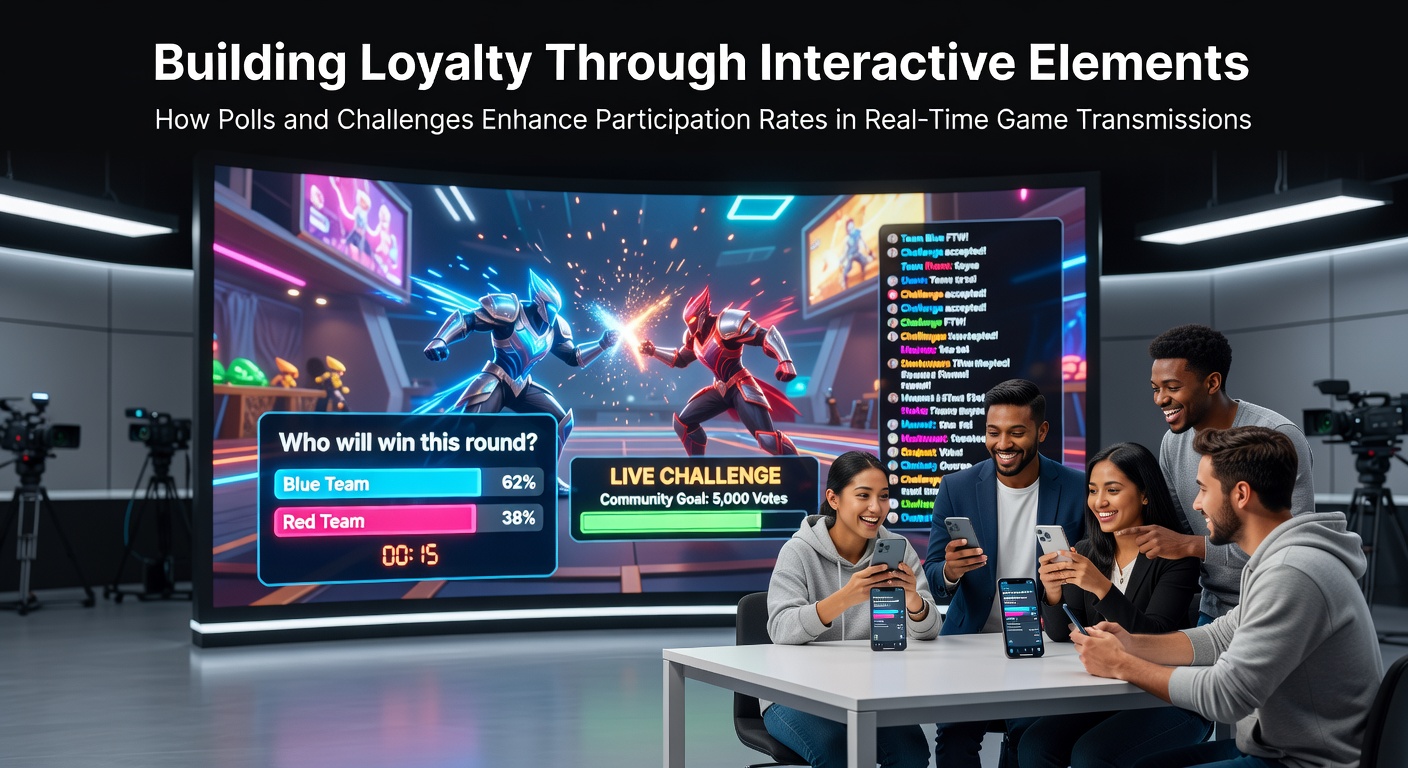
Real-time game transmissions have evolved into dynamic platforms where audience interaction drives sustained engagement, and polls along with challenges stand out as tools that reshape viewer involvement. Broadcasters integrate these elements directly into live sessions to prompt immediate responses, which in turn elevates the number of active participants and fosters repeated returns to the same channels. Data from industry reports indicates that streams featuring regular polls see participation rates climb by noticeable margins compared to passive viewing formats, particularly when the questions tie directly into ongoing gameplay decisions or community preferences.
The Mechanics Behind Polls in Live Game Streams
Polls function as quick decision-making prompts that appear on screen during key moments, allowing viewers to select options through chat commands or integrated platform features. Those who manage real-time game transmissions often schedule polls around pivotal events such as character selections, strategy votes, or predictions for match outcomes, which keeps the audience invested in the progression of events. Research from the Entertainment Software Association shows that interactive voting mechanisms in North American gaming broadcasts correlate with higher average watch times, since participants feel a sense of ownership over the narrative unfolding on screen. This setup works because polls require minimal effort yet deliver instant feedback, turning solitary viewers into collective contributors without interrupting the flow of the transmission itself.
Platforms supporting these features have refined their tools over recent years, so integration happens seamlessly through overlays or bot-assisted systems that tally results in seconds. In May 2026, several major esports events demonstrated how poll results influenced caster commentary, which further amplified viewer investment as the outcomes shaped the discussion in real time. Observers note that when poll topics align with game mechanics familiar to the audience, response volumes increase substantially and carry over into post-stream discussions on external forums.
Challenges as Catalysts for Deeper Engagement
Challenges introduce goal-oriented tasks that viewers complete either individually or as a group, ranging from simple in-game achievements to creative submissions like fan art or theory crafting. These activities extend participation beyond the live window because they encourage preparation beforehand and follow-up sharing afterward, which builds habitual connections to the transmission series. Figures from the Interactive Software Federation of Europe reveal that European game streams incorporating weekly challenges experience repeat viewership lifts of up to 35 percent, as participants return to track progress and compete for recognition. The structure proves effective since challenges can scale in difficulty, accommodating both casual observers and dedicated fans while maintaining accessibility through tiered rewards or shoutouts during broadcasts.
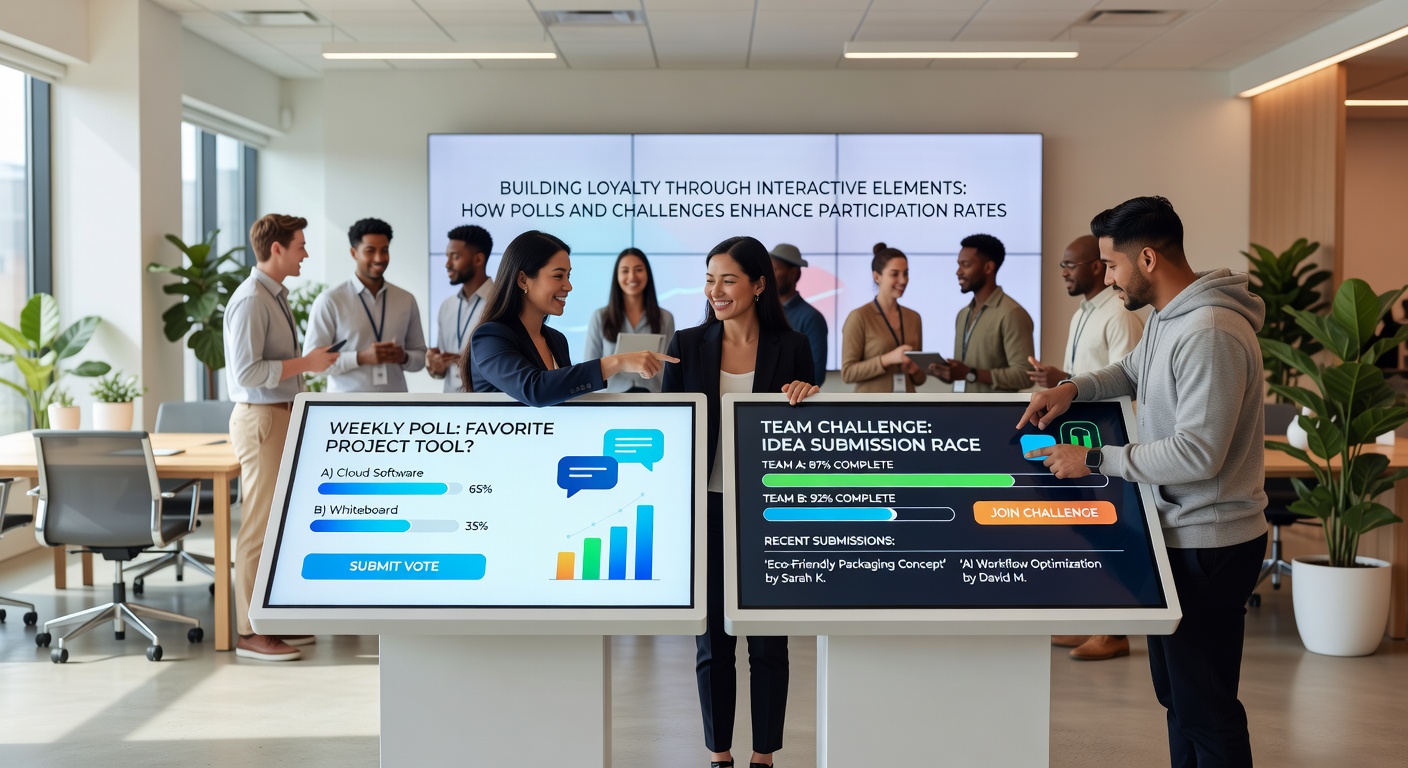
Coordinators of these transmissions typically announce challenges at the start of sessions and update standings at intervals, which creates natural breakpoints that sustain attention across longer events. One documented case involved a strategy game series where viewers submitted build orders via polls that then faced live execution, resulting in measurable spikes in chat activity and follower growth for the hosting channel. What's interesting here is how challenges often blend digital and real-world elements, such as fitness routines themed around character stamina or recipe recreations based on in-game items, broadening appeal without requiring advanced technical skills from participants.
Quantifiable Impacts on Participation and Retention
Analytics platforms tracking real-time game transmissions consistently report that combined use of polls and challenges produces compounding effects on key metrics. Sessions that alternate between voting rounds and task assignments maintain higher concurrent viewer counts throughout their duration, while also generating increased clip shares and highlight reels that extend reach organically. Academic studies from institutions like the University of Melbourne have examined these patterns across Australian and Asian markets, confirming that loyalty indicators such as subscription renewals rise when audiences perceive tangible influence over content direction. This occurs because the interactive layer transforms passive consumption into active collaboration, which strengthens emotional ties over successive transmissions.
Technical setups supporting these features have matured enough by mid-2026 to handle thousands of simultaneous inputs without lag, thanks to improved cloud processing and platform APIs. Broadcasters who monitor participation data in real time can adjust poll frequency or challenge scope on the fly, optimizing for peak engagement windows identified through prior sessions. Evidence suggests that such adaptability prevents fatigue, since overused elements lose novelty while well-timed variations keep responses fresh and enthusiastic.
Integration Strategies Across Different Transmission Formats
Whether covering solo speedruns, team-based competitions, or open-world explorations, the application of polls and challenges adapts to the specific demands of each format. In competitive scenes, polls often focus on rule interpretations or highlight selections, whereas exploratory streams lean toward community-driven discovery tasks that unfold across multiple episodes. Those who coordinate these productions frequently draw from cross-platform tools that sync viewer input with on-screen graphics, ensuring clarity even during high-intensity moments. Industry analyses indicate that consistent application across a series creates recognizable patterns that audiences anticipate, which in turn supports predictable upticks in participation at scheduled intervals.
Regional variations also emerge, with some markets favoring text-based challenges tied to local cultural references and others emphasizing visual or performance-based submissions. This flexibility allows transmissions to resonate with diverse demographics while maintaining core interactive principles that drive measurable loyalty gains.
Conclusion
Polls and challenges have become established components within real-time game transmissions because they convert viewer attention into measurable participation that supports long-term channel growth. The data across multiple regions and formats demonstrates clear correlations between these interactive tools and elevated engagement rates, with loyalty manifesting through repeat attendance and community contributions. As transmission technologies continue advancing into 2026 and beyond, the strategic deployment of such elements will likely remain central to sustaining vibrant, interactive audiences around live gaming content.